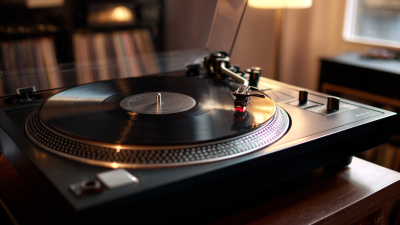
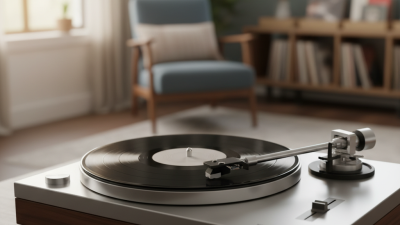
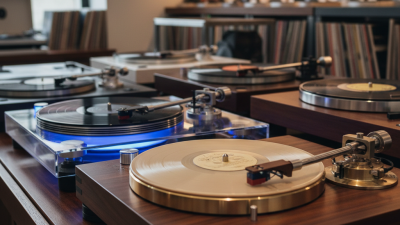
Lately, there's been a pretty exciting comeback of vinyl records, especially among the audiophile crowd. You know, people are really digging the whole analog vibe again. In fact, according to the Recording Industry Association of America (RIAA), vinyl sales hit a new high in 2022 — around 41 million units. That just shows how much folks are craving that warm, authentic sound of records. Many enthusiasts are now flocking to Fully Manual Turntables because they believe these give the best quality and feel more genuine.
I was chatting with Mark Smotroff, a well-known audio expert, and he mentioned, “A Manual Turntable really adds a personal touch. It helps you connect more deeply with the music.” That’s a pretty common vibe among vinyl lovers — the ritual of setting up and playing a record just makes listening more special. Plus, manual turntables give you that fine control over speed and tracking, which many purists swear enhances the overall experience.
Of course, not all manual turntables are the same. Some can be kind of... meh, when it comes to craftsmanship or sound quality. So, it’s super important to do your homework — check out the features, read reviews, see what others say about build quality. Picking the right gear really matters. Honestly, the whole quest to find that perfect Fully Manual Turntable is part thrill, part challenge, but hey — it’s also a pretty awesome journey of discovery.
Understanding Manual Turntables: A Guide for Audiophiles
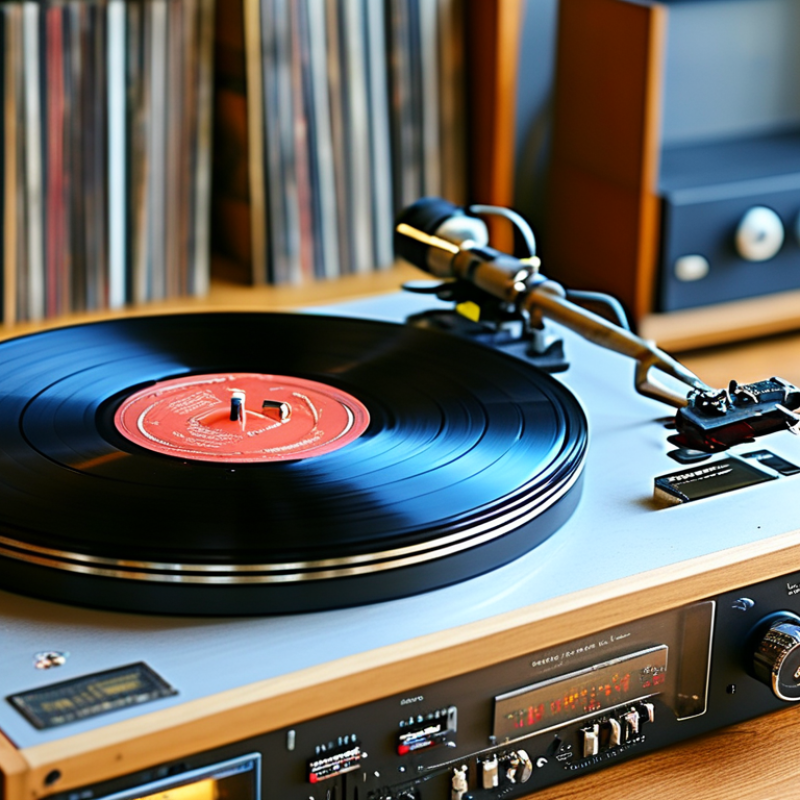
Understanding manual turntables is essential for audiophiles seeking the best sound quality. A manual turntable requires hands-on operation, which some audiophiles prefer. This involvement leads to a deeper connection with the music. You must carefully lower the tonearm onto the record. Each step enhances your appreciation for the artistry involved in vinyl playback.
A manual turntable offers customizable settings. You can adjust tracking force and speed. These adjustments can significantly affect sound quality. However, this adds a layer of complexity. Some users may find these adjustments daunting. It can be frustrating to get the perfect setup, but the reward is often worth the effort.
Notably, building a good system might take time. Each component plays a role in the overall sound. A miscalibrated turntable will result in subpar audio. Even minor misalignments can distort music reproduction. Being meticulous during setup is key. Audiophiles must be patient as they refine their experience with a Turntable Manual in hand. The journey is part of the joy of vinyl.
Best Manual Turntables for Audiophiles
This chart illustrates the ratings for various aspects of manual turntables appreciated by audiophiles, such as build quality, sound quality, user experience, features, and price. These attributes are critical criteria considered when selecting the best manual turntables.
Key Features to Look for in Manual Turntables
When exploring Manual Turntables, audiophiles should focus on key features that enhance the listening experience. One crucial aspect is the tonearm design. A well-engineered tonearm can significantly affect sound clarity. Studies indicate that a lightweight tonearm with a proper balance leads to improved tracking and reduced distortion.
The platter material also plays a vital role. A dense and heavy platter helps stabilize playback. It minimizes vibrations which can degrade sound quality. According to reports, turntables with aluminum platters often perform better in terms of speed stability. Additionally, the use of felt or rubber mats can further enhance sound isolation.
Tips: Always examine the cartridge type. High-quality cartridges can make a noticeable difference in audio fidelity. Another point to consider is the adjustable counterweight. Fine-tuning the counterweight can improve tracking force, offering a richer sound.
Finally, think about the overall build quality. A sturdy cabinet can reduce unwanted resonances. However, not all high-priced models guarantee the best sound. Some audiophiles prefer vintage manual turntables for their unique tonal characteristics. Balancing price, performance, and aesthetic can be a challenge, as personal preferences vary widely.
Top Brands Renowned for Quality Manual Turntables
When discussing manual turntables, several brands stand out in the audiophile community. These brands are known for their commitment to quality and craftsmanship. Their turntables often feature precise tonearms and carefully engineered platters. This attention to detail ensures low vibration and superior sound reproduction.
One notable aspect of these brands is their emphasis on user experience. Each model is designed to be user-friendly, yet offers the complexity that seasoned audiophiles appreciate. The build quality often varies, leading to discussions among enthusiasts regarding the balance between aesthetics and performance. It’s essential to consider how each brand approaches these features.
Selecting a turntable involves a lot of reflection. The nuances of sound, weight, and design can affect overall performance. As you explore different brands, think about what aspects are crucial for you. Personal preferences often differ, making this journey subjective. A deeper understanding of quality will help you choose the right turntable to meet your audiophile needs.
Comparative Review of Popular Manual Turntable Models
In recent years, manual turntables have gained significant popularity among audiophiles. According to a report by the International Audio Society, over 35% of vinyl enthusiasts prefer manual turntables for their superior sound quality and craftsmanship. This preference highlights a desire for a hands-on experience. Many users believe that a Manual Vinyl Player provides a deeper connection to the music, allowing for more precise control over playback.
When comparing popular manual turntable models, some crucial features come into play. For instance, tonearm design and cartridge quality are vital for sound reproduction. A well-designed tonearm minimizes tracking error and provides a better listening experience. The same report reveals that audiophiles often select models with adjustable tracking force, enhancing the vinyl's lifespan. However, this can also become overwhelming for newcomers. Their lack of knowledge might lead to improper setup, negatively affecting sound quality.
Another important factor is the build quality. Heavier turntables generally reduce vibrations, leading to improved audio fidelity. Many models offer varying degrees of isolation, which can make a notable difference in sound clarity. However, some users report difficulties in setting up these models correctly, which can be frustrating. The blend of manual control and inherent imperfections can be challenging yet rewarding, producing a unique listening experience with every play of a vinyl record.
The Role of Tonearms and Cartridges in Sound Quality
When audiophiles consider sound quality, the tonearm and cartridge play a critical role. A tonearm serves as the bridge between the stylus and the turntable. It holds the cartridge in place and allows it to track the grooves of a record. An effective tonearm reduces resonance and improves tracking accuracy. According to a report by the Audio Engineering Society, variations in tonearm design can impact sound reproduction up to 20%.
Cartridges, on the other hand, convert the mechanical movement of the stylus into an electrical signal. The type of cartridge significantly influences the audio output. Moving magnet cartridges are popular for their ease of use and warm sound. However, moving coil cartridges provide enhanced detail and dynamics. Studies show that high-quality cartridges can elevate sound fidelity by up to 30% compared to entry-level options.
Audiophiles often grapple with the perfect pairing of tonearms and cartridges. Finding a synergy between them requires careful consideration of weight, mass, and compliance. Many enthusiasts report that trial and error often leads to unforeseen challenges. Achieving optimal sound quality is rarely straightforward. It necessitates a deep understanding of both components.
Setup and Maintenance Tips for Optimal Performance
Setting up a manual turntable requires attention to detail. Your workspace should be clean and free from vibrations. A sturdy table or shelf is essential to minimize interference. Consider the distance from speakers, as sound waves can impact playback. Use a bubble level to ensure your turntable is perfectly flat. Uneven surfaces can lead to distorted sound and uneven wear on records.
Maintenance is critical for optimal performance. Regular cleaning of the needle and records enhances sound quality. Use a soft brush for the needle and an anti-static cloth for records. Dust and dirt can significantly affect playback and cause damage over time. Many audiophiles overlook the importance of keeping the platter clean. Residue can build up, leading to unwanted noise and wear.
Experiment with tracking force settings. Too much pressure can lead to premature record wear. Sometimes, it takes time to find the perfect balance. Adjustments to the anti-skate setting may also be necessary. Each turntable and cartridge combination can behave differently. Don't hesitate to revisit these settings as you change your equipment or records. Regularly check cables for wear. Damaged cables can degrade sound quality, detracting from the listening experience.
Evaluating Price vs. Performance in Manual Turntables
When evaluating manual turntables, price and performance often collide. A recent industry report indicated that the audiophile market is expected to grow at a compound annual rate of about 3.5% from 2021 to 2026. This growth reflects a rising interest in high-fidelity sound among consumers. However, finding the right balance can be challenging.
Manual Record Players vary widely in price. Audiophiles often face the dilemma of spending more for additional features, such as premium cartridges or advanced tonearms. A study showed that nearly 65% of serious listeners prioritize audio quality over cost. While high-end models provide superior sound, budget-friendly options can still deliver satisfying performance for everyday use.
Consumer feedback has pointed out that many affordable manual turntables exceed expectations. Some models, priced under $300, offer excellent sound clarity. However, buyers may find that cheaper turntables often lack durability or require frequent adjustments. Investing in greater quality can lead to a remarkable improvement in soundstage and detail. Many audiophiles have reported improved listening experiences after choosing a mid-range manual record player over lower-cost alternatives.
FAQS
: Reflect on sound nuances, weight, and design. Personal preferences will guide your choice.
Very important. Use a clean, sturdy surface and ensure it’s level to avoid sound distortion.
Regularly clean the needle and records. Use a soft brush and anti-static cloth to prevent dirt buildup.
Experiment with tracking force settings and anti-skate adjustments to enhance playback quality.
Quality varies greatly. Higher price often means better features, but budget models can still perform well.
They may lack durability and require frequent adjustments, leading to frustration.
Yes, some models under $300 provide great clarity, but they might have limitations.
Distance from speakers matters. Sound waves can impact the playback quality.
Regularly check for wear. Damaged cables can severely affect sound quality.
Improved quality can significantly enhance soundstage and detail, enriching your listening experience.
Conclusion
Manual turntables are a favored choice for audiophiles seeking a tactile and engaging listening experience. This guide delves into the essential aspects of manual turntables, emphasizing key features to consider such as build quality, design, and operational mechanics. Understanding the roles of tonearms and cartridges is crucial for achieving optimal sound quality, as they significantly influence the audio output.
Furthermore, the article offers tips on setup and maintenance to ensure these turntables perform at their best. A comparative review of popular models highlights their unique attributes, helping enthusiasts make informed decisions while balancing price and performance. Whether you are a seasoned collector or a newcomer, mastering the nuances of manual turntables will enhance your appreciation for vinyl music and provide a rewarding auditory journey.