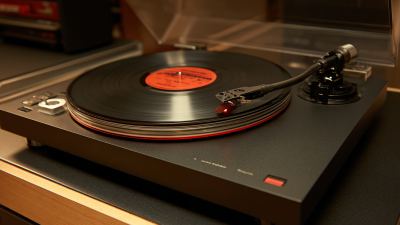
When you're into vinyl listening, having the right equipment can seriously make a big difference in how good your music sounds. Out there, a Belt Drive Turntable really stands out because it offers rich sound and cuts down on those pesky vibrations that can mess with the music. In this chatty little guide, I’m going to take you through what makes these turntables special and why they’re a solid pick whether you’re an audiophile who’s all about perfection or just someone who enjoys spinning records now and then.
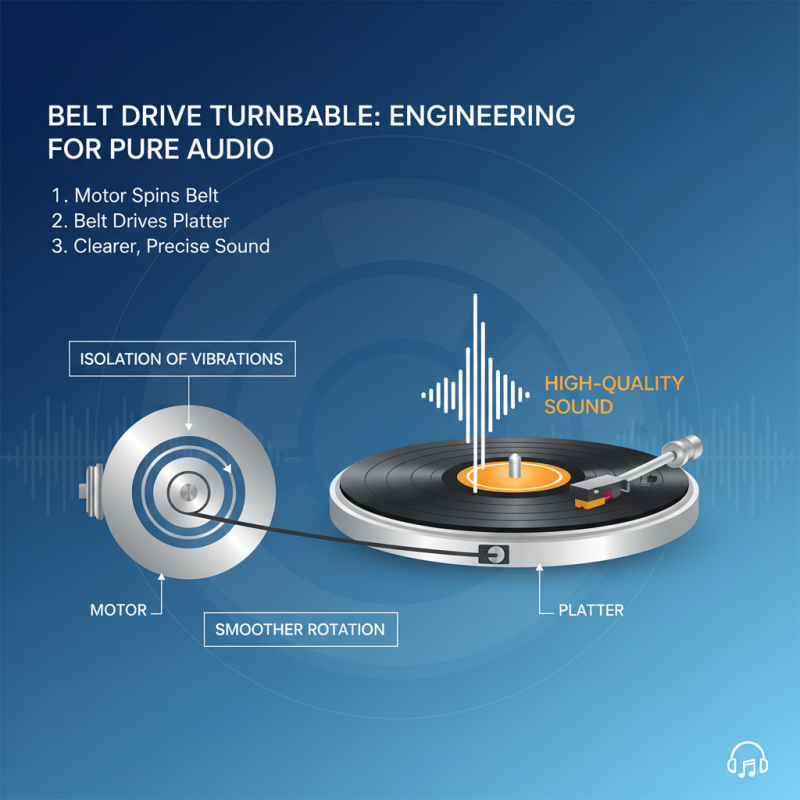
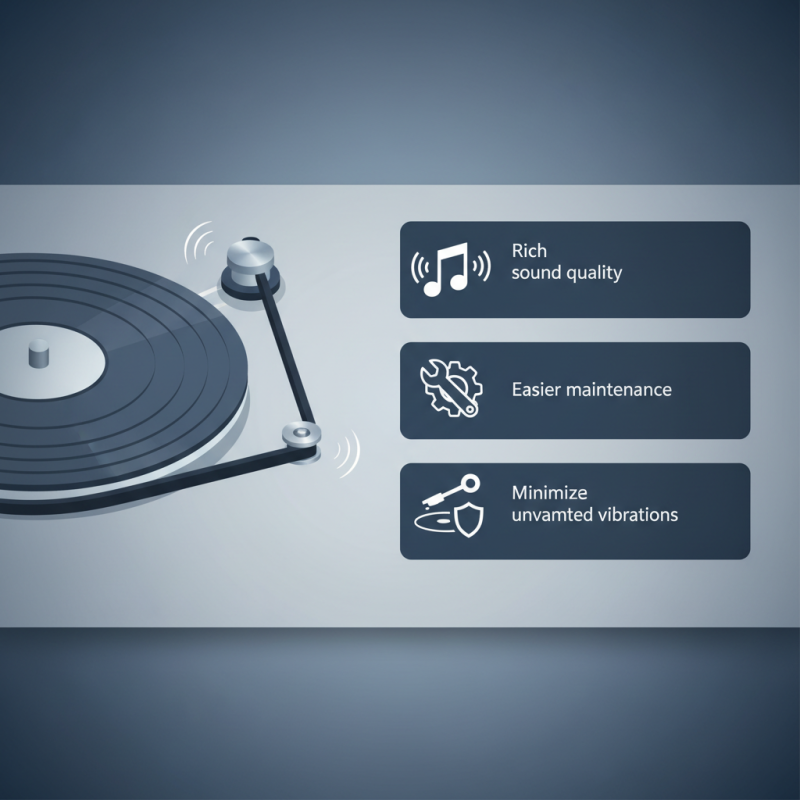
Basically, a Belt Drive Turntable uses a rubber belt to connect the motor to the platter. That’s what gives you smoother spins and keeps those unwanted vibrations—like from the motor—away from the needle. It’s a design that not only helps the sound sound better but also tends to be easier to maintain and tweak if needed. Whether you’re new to vinyl or a seasoned collector, understanding what makes a Belt Drive turntable tick can really help you pick the right one for your setup.
In this guide, we’ll break down how these turntables work, compare them to other types, and point out what features you should keep an eye on when shopping around. By the end, you’ll get why a Belt Drive Turntable might be just what your music setup needs, helping you enjoy your favorite records with crystal-clear sound and great fidelity.
Understanding Belt Drive Turntables: A Brief Overview
Belt drive turntables are a popular choice among audiophiles for their ability to provide high-quality sound reproduction while minimizing unwanted vibrations. The mechanism involves a motor that spins a belt, which in turn drives the platter, leading to smoother rotation. This design helps to isolate the platter from the motor's vibrations, resulting in a clearer and more precise audio experience. By understanding how belt drive turntables operate, enthusiasts can better appreciate the engineering that goes into crafting an exceptional listening experience.
When considering a belt drive turntable, pay attention to a few key features. First, look for a sturdy construction that reduces resonance. A heavy platter can absorb vibrations more effectively, enhancing sound quality. Additionally, adjustable speed settings and precise pitch control are vital for achieving accurate playback. Exploring different materials used for the platter and tonearm can also guide your choice, as they can significantly influence audio performance.
**Tips:**
Always test the turntable before purchasing to ensure that the speed is consistent and the platter spins without wobbling. It’s also beneficial to invest in a quality cartridge, as this can vastly improve your listening experience. Lastly, don't forget to consider the aesthetics of the turntable, as many models serve as stylish additions to your home decor while providing exceptional sound quality.
Key Features of Belt Drive Turntables Explained
Belt drive turntables are renowned for their ability to deliver high-quality audio while maintaining a rich and warm sound character. One of the key features of these turntables is the belt mechanism itself, which separates the platter from the motor. This design minimizes vibrations from the motor, allowing for a clearer audio output. The belt also acts as a shock absorber, which enhances the overall sound quality, making it an ideal choice for audiophiles who appreciate nuanced sounds.
Another essential feature to consider is the ease of use and maintenance that belt drive turntables provide. Many models come equipped with adjustable speed settings, allowing users to switch between different RPMs seamlessly. This flexibility is advantageous for listening to various types of vinyl records without compromising sound fidelity. Additionally, belt drive models often feature replaceable belts, making it easy for users to maintain their turntables when needed.
Tips: When shopping for a belt drive turntable, pay attention to the quality of the materials used in the platter and tonearm, as these can significantly affect audio performance. Also, consider investing in a good quality phono preamp or built-in preamp option, as it can enhance the overall listening experience. Regular maintenance, such as dusting the turntable and changing the belt at appropriate intervals, will ensure longevity and optimal sound quality.
Benefits of Using Belt Drive Turntables for Audio Quality
Belt drive turntables have long been celebrated for their ability to enhance audio quality, making them a popular choice among audiophiles. One of the primary benefits of this design is the isolation it provides against vibrations. By using a rubber or elastomer belt to connect the motor to the platter, belt drive systems effectively minimize motor noise and other operational sounds. This results in a clearer and more nuanced audio reproduction, allowing listeners to experience their music as intended by the artists.
Another significant advantage of belt drive turntables is the flexibility they offer in terms of speed control and customization. Many belt drive models come with adjustable speed settings, which enable users to fine-tune their playback experience. Additionally, the ability to easily swap out belts allows enthusiasts to experiment with different materials that can affect sound characteristics. This adaptability enhances the overall listening experience, granting users the opportunity to craft a sound unique to their preferences. Overall, the prominent benefits of belt drive turntables lie in their vibration management and customization potential, making them an excellent choice for those seeking high-quality audio playback.
Comparing Belt Drive and Direct Drive Turntables
When it comes to choosing a turntable, the primary distinction lies between belt drive and direct drive systems, each boasting its own set of advantages. Belt drive turntables utilize a rubber belt to connect the motor to the platter, providing a layer of isolation that can minimize vibrations and enhance sound quality. This design is particularly appealing to audiophiles seeking a warmer sound and a smoother playback experience. Additionally, belt drive models typically require less maintenance and have fewer moving parts, which can lead to longer lifespans with proper care.
On the other hand, direct drive turntables are favored by DJs and those who prioritize functionality over audio purity. In this system, the platter is directly connected to the motor, allowing for rapid start-up times and the ability to reverse rotation instantly. This feature facilitates scratching and other performance techniques, making direct drive models ideal for live settings. While some audiophiles may argue that direct drive can produce slight motor noise, advancements in technology have significantly reduced this issue, making modern direct drive turntables very capable for casual listening as well. Ultimately, the choice between belt drive and direct drive will depend on the user's specific needs, whether for high-fidelity listening or lively performances.
Key Considerations When Buying a Belt Drive Turntable
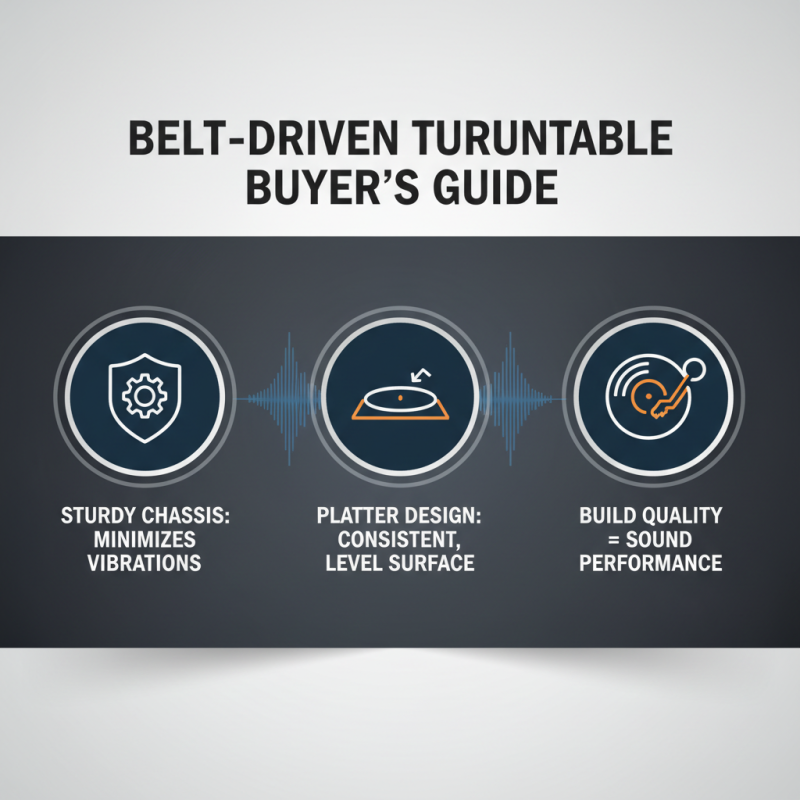
When considering the purchase of a belt drive turntable, there are several key factors to keep in mind to ensure you select a model that meets your needs. Firstly, the build quality plays a crucial role in sound performance. Look for a turntable with a sturdy chassis, as this helps minimize vibrations and ensures that the needle remains stable on the record groove. A well-designed platter, often made of materials like glass, aluminum, or composite, can also contribute to better sound quality by providing a consistent and level surface for the vinyl.
Another important consideration is the type of cartridge included with the turntable. Different cartridges offer varying sound profiles, so it's beneficial to research and select one that aligns with your auditory preferences. Additionally, consider the turntable's ease of use and setup. Some models come pre-assembled or feature automatic functions that can cater to both beginners and more experienced users. Lastly, think about connectivity options; having a turntable that can easily connect to your existing audio setup, whether through built-in speakers or external amplifiers, can significantly enhance your listening experience.
Top Brands and Models of Belt Drive Turntables to Consider
When considering a belt drive turntable, several brands and models stand out for their quality, performance, and features. One prominent brand is known for its combination of classic design and modern technology, offering models that deliver rich sound and user-friendly controls. These turntables often include features such as adjustable tracking force, anti-skate mechanisms, and built-in preamps, making them suitable for both beginners and audiophiles alike.
Another noteworthy option is a brand recognized for its commitment to high-fidelity sound reproduction. Their belt drive models frequently boast precision engineering and superior materials, which contribute to enhanced audio clarity and reduced vibration. Many of these turntables come equipped with high-quality cartridges and upgrades for tonearms, allowing users to customize their listening experience. When shopping for a belt drive turntable, exploring these leading brands and their top-rated models can guide you toward the perfect choice for your vinyl collection.
Tips for Maintaining Your Belt Drive Turntable for Longevity
Maintaining a belt drive turntable is crucial for ensuring optimal sound quality and prolonging the lifespan of the equipment. Industry reports indicate that properly maintained turntables can last up to 20 years or more, significantly outweighing the typical lifespan of less carefully tended audio equipment. Key maintenance tips include regularly cleaning the stylus and records, as accumulated dust can lead to surface noise and decreased audio fidelity. According to the Audio Engineering Society, even the smallest debris can impact sound quality, emphasizing the importance of routine care.
Another vital aspect of maintenance is monitoring the belt itself. The belt should be checked for wear and replaced every 2 to 3 years, depending on usage, to avoid slipping or degrading sound quality. Furthermore, ensuring the turntable is properly leveled helps maintain consistent playback speed, which is essential since even slight misalignments can distort audio output. Acknowledging these elements can contribute significantly to a more enjoyable listening experience and a longer-lasting turntable, as research from the International Federation of the Phonographic Industry suggests that adherence to maintenance protocols can enhance the overall durability and performance of audio equipment.
Rediscover the Richness of Vinyl with the HP-H002DC2 High Fidelity Turntable Record Player
The resurgence of vinyl records has created a unique niche in the audio market, attracting both audiophiles and casual listeners alike. According to recent industry reports, the vinyl record market is expected to continue expanding, with a projected compound annual growth rate (CAGR) of over 18% through the next five years, driven by a renewed appreciation for analog sound and the tactile experience of physical music formats. This growing trend highlights the importance of quality turntables in delivering that authentic sound experience, making the HP-H002DC2 High Fidelity Turntable Record Player a prime choice for enthusiasts looking to enhance their listening journey.
The HP-H002DC2 turntable boasts a mid-to-high-end positioning, ensuring that it meets the demands of discerning audio lovers. Available in several attractive finishes, including Matte White and custom options, it combines aesthetics with functionality. With years of manufacturing experience behind it, this model stands out for its premium components, such as high-quality cartridges and motors that contribute to superb sound fidelity. Additionally, stringent production standards certified by FCC, CE, RoHS, and ISO can assure users of the turntable's reliability and durability.
Moreover, the turntable’s customizability as an OEM and ODM product makes it appealing to varied consumer tastes, aligning with the growing trend towards personalized audio equipment. The ability to deliver on time, alongside a commitment to 100% aging testing and patent protection for its designs and components, positions the HP-H002DC2 as a standout option in a saturated market. With the vinyl renaissance underway, investing in a quality turntable is more than just a purchase; it’s an opportunity to embrace a rich auditory experience.
FAQS
: The primary distinction lies in their mechanisms: belt drive turntables use a rubber belt for isolation, minimizing vibrations and enhancing sound quality, while direct drive turntables connect the platter directly to the motor for faster start-up and functional performance.
Belt drive models are favored by audiophiles because they provide a warmer sound and smoother playback experience, as well as requiring less maintenance and having fewer moving parts.
Direct drive turntables are ideal for DJs due to their rapid start-up times and the ability to reverse rotation instantly, facilitating scratching and other performance techniques in live settings.
While some traditional concerns about motor noise exist, advancements in technology have significantly reduced this issue, making modern direct drive turntables capable of high-quality casual listening.
Key considerations include build quality, type of cartridge, ease of use and setup, and connectivity options to ensure the turntable meets your listening needs.
A sturdy chassis helps minimize vibrations, allowing the needle to remain stable in the record groove, which is essential for optimal sound performance.
Different cartridges offer varying sound profiles, so selecting a cartridge that aligns with your auditory preferences is important for achieving the desired listening experience.
Yes, some turntable models come pre-assembled or feature automatic functions, making them accessible for beginners while still being suitable for experienced users.
Having a turntable with good connectivity options allows for easier integration with existing audio setups, whether through built-in speakers or external amplifiers, thus enhancing the overall listening experience.
Conclusion
Belt Drive Turntables are a popular choice among audiophiles for their unique design and sound quality. These turntables operate using a rubber or silicone belt that connects the motor to the platter, offering a smooth rotation and minimizing vibrations that can affect audio performance. Key features such as speed options, build quality, and cartridge types are essential to consider when selecting a belt drive turntable.
The benefits of using a belt drive turntable include enhanced audio quality and less noise, making them ideal for those who prioritize sound fidelity. When comparing belt drive to direct drive turntables, users often find that belt drives provide a warmer sound profile. Buyers should consider factors like price, maintenance needs, and personal listening preferences before making a purchase. Proper maintenance tips can also help ensure the longevity of a belt drive turntable, allowing users to enjoy their vinyl collection for years to come.